Tropica 1-2 Grow Cryptocoryne parva (smallest crypt)
£5.99
Cryptocoryne parva Tropica 1-2 Grow! Cryptocoryne parva is the smallest species within the Cryptocoryne genus, valued for its fine scale, clean structure, and ability to create a natural, low-growing foreground. Unlike many other Crypts, it remains compact and does not significantly increase in leaf size over time, making it ideal...
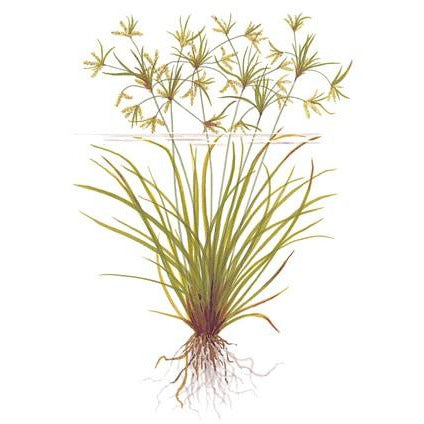
Cryptocoryne parva is the smallest species within the Cryptocoryne genus, valued for its fine scale, clean structure, and ability to create a natural, low-growing foreground. Unlike many other Crypts, it remains compact and does not significantly increase in leaf size over time, making it ideal for more controlled and detailed layouts.
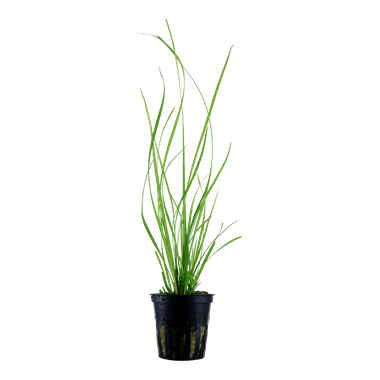
It produces short, narrow green leaves that grow in a tight rosette, forming a subtle, grass-like appearance. Its restrained growth and uniform size give it a very clean and deliberate look within the aquascape.
How to Use in the Aquarium
Due to its small size and controlled growth, Cryptocoryne parva is best used as:
A foreground carpeting plant in smaller aquariums
A low, structured foreground layer in larger layouts
A transition plant between carpeting species and midground planting
Its simple green tones and fine texture work particularly well in nature-style aquascapes, adding depth without drawing too much attention.
Planting & Growth
Cryptocoryne parva should be planted directly into the substrate, where it will gradually establish through its root system.
Separate into small portions before planting
Space plants slightly apart to allow for gradual spreading
Plant into a nutrient-rich substrate for best results
Unlike faster carpeting plants, it spreads slowly via runners, requiring patience but offering long-term stability once established.
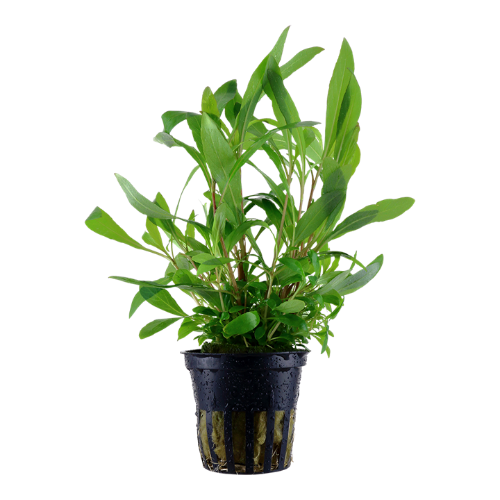
As a tissue culture plant, it is supplied in its emersed form. Initial leaves may differ slightly, with submerged growth developing over time.
Maintenance
Cryptocoryne parva is relatively undemanding once established, but its slow growth means conditions should remain stable.
Lighting: Medium (higher light encourages denser growth)
CO₂: Not essential, but beneficial for faster spread
Fertilisation: Root feeding recommended
Trimming: Minimal, occasional removal of older leaves
Due to its slow growth rate, it is less prone to frequent maintenance but may take time to fully establish as a carpet.
Emersed Growth
In emersed conditions, Cryptocoryne parva produces slightly broader leaves, while submerged growth remains smaller and more compact. Like many Cryptocoryne species, it may experience some initial melt when transitioning, but will recover with stable conditions.